Affordable Health Insurance
Affordable Health Insurance: Finding the Right Coverage for Your Needs
Welcome to our guide on affordable health insurance! Navigating the world of healthcare coverage can be overwhelming, but we are here to help you find the right plan to meet your needs and budget. With rising healthcare costs, it’s more important than ever to have a solid insurance plan in place. Let’s explore the options available to you and ensure you have the coverage you deserve.

Understanding Affordable Health Insurance Options
When it comes to navigating the world of health insurance, understanding your options for affordable coverage can be a daunting task. With so many different plans and providers to choose from, it’s important to do your research and make an informed decision. Affordable health insurance options can vary depending on your individual needs and circumstances, but there are a few key things to keep in mind as you explore your choices.
One of the most common types of affordable health insurance options is a Health Maintenance Organization (HMO) plan. HMO plans typically have lower monthly premiums and out-of-pocket costs than other types of plans, making them a popular choice for individuals and families on a budget. With an HMO plan, you are required to choose a primary care physician (PCP) who will manage your care and refer you to specialists when necessary. While HMO plans often have more restrictions on which healthcare providers you can see, they can be a cost-effective option for those who are willing to sacrifice some flexibility for lower costs.
Another affordable health insurance option to consider is a High Deductible Health Plan (HDHP) paired with a Health Savings Account (HSA). HDHPs have higher deductibles and lower premiums than traditional health insurance plans, making them a good choice for individuals who are relatively healthy and don’t anticipate needing frequent medical care. By pairing an HDHP with an HSA, you can save money for future medical expenses tax-free, which can help offset the cost of your deductible. While HDHPs may require you to pay more out-of-pocket for medical care upfront, they can be a smart choice for individuals looking to save money on their monthly premiums.
If you qualify based on income and other factors, you may be eligible for government-sponsored affordable health insurance options such as Medicaid or the Children’s Health Insurance Program (CHIP). These programs provide low-cost or free health coverage to individuals and families who meet certain eligibility requirements. Medicaid is a state and federally funded program that provides health coverage to low-income individuals, while CHIP offers low-cost health insurance to children in families that earn too much to qualify for Medicaid but can’t afford private insurance. If you think you may qualify for one of these programs, be sure to explore your options and see if you meet the eligibility criteria.
Ultimately, the key to finding affordable health insurance options that meet your needs is to carefully consider your budget, health needs, and preferences. By comparing different plans and providers, you can find a plan that offers the coverage you need at a price you can afford. Remember to take into account factors like deductibles, copayments, and network restrictions when evaluating your options, and don’t hesitate to ask questions or seek help from a healthcare navigator if you need assistance. With a little research and planning, you can find a health insurance plan that fits your budget and gives you peace of mind knowing that you’re covered in case of a medical emergency.
Tips for Finding the Best Affordable Health Insurance Plan
When it comes to finding the best affordable health insurance plan, there are a few key tips that can help you navigate the complex world of healthcare coverage. Here are some tips to consider when looking for a plan that meets your needs and budget:
1. Start by assessing your healthcare needs: Before you start shopping for health insurance, take some time to assess your healthcare needs. Consider factors such as your age, current health status, any chronic conditions you may have, and any medications you take regularly. This will help you determine what type of coverage you need and what level of benefits is most important to you.
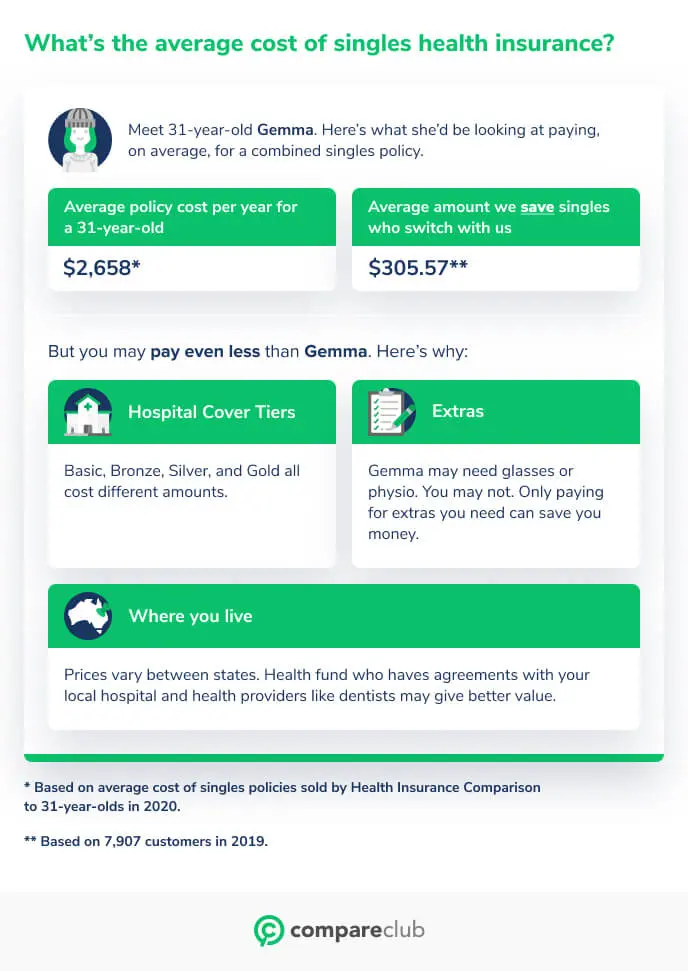
2. Compare quotes from multiple insurance companies: One of the most important steps in finding affordable health insurance is to compare quotes from multiple insurance companies. This will help you get a sense of the different plans available to you and the costs associated with each. Be sure to look at both the monthly premiums and the out-of-pocket costs, such as deductibles, copayments, and coinsurance. Remember that the cheapest plan may not always be the best option, so be sure to consider the overall value of the plan as well.
3. Consider a High Deductible Health Plan (HDHP): High Deductible Health Plans are a type of health insurance plan that typically offer lower monthly premiums in exchange for higher deductibles. These plans can be a good option for healthy individuals who don’t expect to need a lot of medical care each year. HDHPs are also often paired with Health Savings Accounts (HSAs), which allow you to save money tax-free for medical expenses. Just be sure to carefully consider the potential out-of-pocket costs before choosing a high deductible plan.
4. Look into government subsidies: Depending on your income level, you may qualify for government subsidies to help offset the cost of health insurance. The Affordable Care Act offers subsidies to individuals and families with low to moderate incomes who purchase insurance through the Health Insurance Marketplace. These subsidies can help make insurance more affordable and may be available to you if you meet certain eligibility criteria.
5. Consider working with a health insurance broker: If you’re feeling overwhelmed by the process of shopping for health insurance, consider working with a health insurance broker. Brokers can help you navigate the various plans available to you, explain the differences between them, and help you find a plan that meets your needs and budget. Keep in mind that brokers are typically paid a commission by the insurance company, so it’s important to ask about their fees upfront.
By following these tips, you can take the stress out of finding the best affordable health insurance plan for you and your family. Remember to carefully consider your healthcare needs, compare quotes from multiple companies, and explore all of your options before making a decision. With a little research and patience, you can find a plan that gives you the coverage you need at a price you can afford.
The Importance of Comparing Health Insurance Quotes
When it comes to purchasing health insurance, it is crucial to compare quotes from different insurance providers. This simple step can make a significant difference in terms of the coverage you receive and the cost you pay for your health insurance plan. By comparing quotes, you can ensure that you are getting the best value for your money and the coverage that meets your specific needs.
One of the main reasons why comparing health insurance quotes is important is to avoid overpaying for coverage. Different insurance providers offer varying rates for similar coverage plans, so by comparing quotes, you can identify the most cost-effective option for your individual circumstances. This can help you save money in the long run and ensure that you are not paying more for coverage than necessary.
In addition to saving money, comparing health insurance quotes can also help you find a plan that offers the best coverage for your needs. By evaluating different quotes, you can identify the specific benefits and features that each plan offers, such as coverage for prescription medications, preventive care services, and specialist consultations. This can help you choose a plan that provides the comprehensive coverage you need to maintain your health and well-being.
Furthermore, comparing health insurance quotes can give you a better understanding of the different options available to you. This can be particularly important if you have specific health needs or preferences, such as a preference for a particular network of healthcare providers or coverage for alternative medicine treatments. By exploring quotes from multiple providers, you can make an informed decision about which plan best aligns with your healthcare priorities.
Another reason why comparing health insurance quotes is important is to ensure that you are aware of any additional costs or limitations associated with a particular plan. Some insurance providers may have hidden fees or restrictions that could impact your out-of-pocket expenses or access to care. By comparing quotes, you can identify these potential drawbacks and choose a plan that offers transparency and flexibility in its coverage terms.
In conclusion, comparing health insurance quotes is a valuable step in the process of selecting a health insurance plan. By evaluating different quotes, you can save money, find the best coverage for your needs, explore your options, and avoid unexpected costs or limitations. So, before purchasing a health insurance plan, be sure to take the time to compare quotes from multiple providers to ensure that you are getting the best value for your money and the coverage that meets your specific healthcare needs.
Qualifying for Subsidies to Make Health Insurance More Affordable
One of the ways to make health insurance more affordable is by qualifying for subsidies. Subsidies are financial assistance provided by the government to help individuals with lower incomes afford their health insurance premiums. These subsidies can significantly reduce the amount of money you need to pay for health insurance each month, making it more accessible for those who may struggle to afford it otherwise.
There are a few different ways to qualify for subsidies to make health insurance more affordable. One of the most common ways is through the Affordable Care Act (ACA), also known as Obamacare. The ACA provides subsidies to individuals and families with incomes between 100% and 400% of the federal poverty level. This means that if your income falls within this range, you may be eligible for subsidies to help offset the cost of your health insurance premiums.
In addition to income-based subsidies, there are also subsidies available for specific populations, such as Native Americans, Alaskans, and those with certain disabilities. These subsidies can help make health insurance more affordable for individuals who may face additional financial barriers to accessing coverage.
To determine if you qualify for subsidies to make health insurance more affordable, you will need to fill out an application through the Health Insurance Marketplace. This application will ask for information about your income, household size, and other factors that may impact your eligibility for subsidies. Once you submit your application, the Marketplace will review your information and let you know if you qualify for any subsidies.
It’s important to note that subsidies are not available to everyone, so it’s essential to check your eligibility before assuming you will receive financial assistance. If you do qualify for subsidies, you can use them to purchase a health insurance plan through the Marketplace that fits your needs and budget. By taking advantage of subsidies, you can make health insurance more affordable and accessible for yourself and your family.
Exploring Alternative Health Insurance Options for Affordability
When it comes to finding affordable health insurance, many people may feel overwhelmed with the high costs associated with traditional plans. However, there are alternative options available that can help individuals and families access quality healthcare without breaking the bank.
One option to consider is a health savings account (HSA), which allows individuals to save money tax-free for medical expenses. HSAs are typically paired with a high deductible health plan, which means lower monthly premiums but higher out-of-pocket costs. This can be a good option for those who are generally healthy and don’t anticipate needing frequent medical care.
Another alternative to traditional health insurance is a health sharing ministry. These ministries are not technically insurance, but rather a group of like-minded individuals who come together to share medical expenses. Members contribute a monthly amount, which is then used to pay for the healthcare needs of other members. While health sharing ministries may not cover all types of medical care, they can be a cost-effective option for many individuals.
Catastrophic health insurance is another alternative that can provide coverage for major medical events, such as accidents or serious illnesses. These plans typically have low monthly premiums but high deductibles, making them a good option for those who want protection against major healthcare costs without paying high premiums for services they may not need.
For individuals who are self-employed or work part-time, short-term health insurance may be a viable option. These plans provide coverage for a limited period of time, usually between one to six months, and are designed to bridge the gap between more comprehensive coverage options. While short-term insurance may not cover pre-existing conditions or preventive care, it can be a more affordable choice for those who are in between jobs or waiting for other coverage to start.
Lastly, some individuals may qualify for government programs such as Medicaid or the Children’s Health Insurance Program (CHIP). These programs provide free or low-cost healthcare coverage to eligible individuals and families based on income and other factors. While these programs have specific eligibility requirements, they can be a valuable resource for those who need affordable healthcare options.
Originally posted 2026-03-14 03:40:28.