Understanding Health Insurance Hospital Cover Only
Welcome, readers! Today, we are going to dive into the world of health insurance hospital cover only. Understanding your health insurance can be confusing, but we are here to break it down for you in simple terms. Whether you are looking to purchase new coverage or just want to learn more about your current plan, this article will provide you with the information you need to make informed decisions about your health. Let’s get started!

Understanding Hospital Cover
Health insurance hospital cover is a type of insurance policy that specifically covers you for treatment and accommodation in a hospital. It is important to understand what is included in a hospital cover policy as it can vary between different insurance providers. Hospital cover typically includes accommodation costs, theatre fees, and in-hospital medical services such as doctors’ fees and pathology tests. Some policies may also cover additional services such as rehabilitation programs, mental health services, and pregnancy-related treatments.
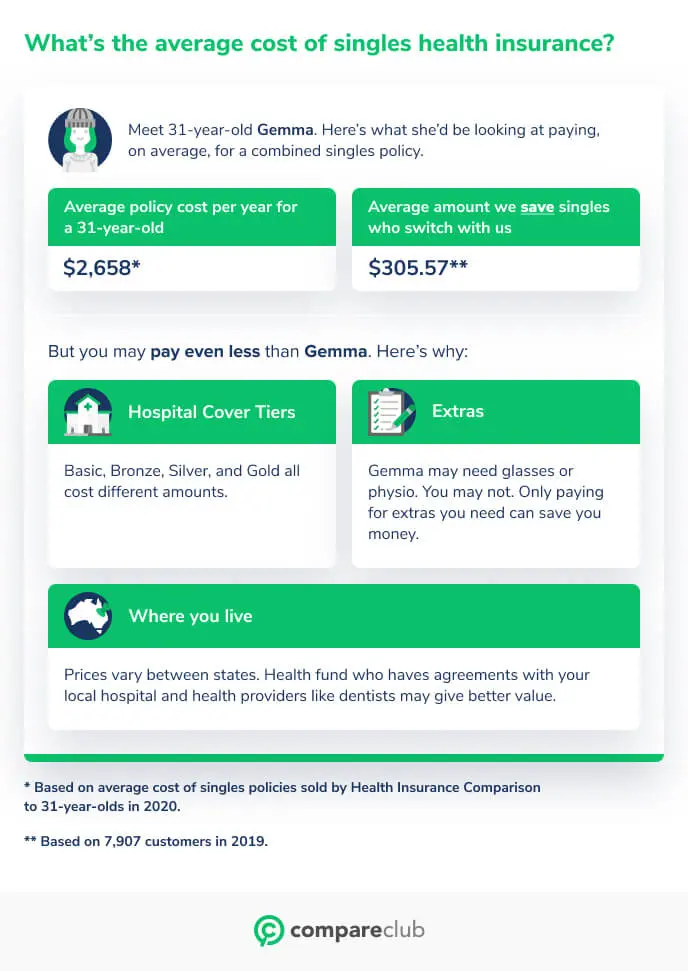
When considering hospital cover, it is essential to look at the level of cover provided by the policy. Basic hospital cover usually includes treatment for accidents and emergencies, while mid-level cover may also include cover for procedures such as appendectomies and tonsillectomies. Comprehensive hospital cover will typically include a wider range of treatments and services, including joint replacements and cardiac surgery.
It is important to be aware of any waiting periods that may apply to your hospital cover policy. Waiting periods are periods of time that you must wait after taking out a policy before you can make a claim for certain treatments. Waiting periods can vary depending on the treatment, so it is important to check the specific details of your policy to avoid any unexpected costs.
Another important factor to consider when choosing hospital cover is whether the policy includes coverage for accommodation in a private hospital or only in a public hospital. Private hospitals generally offer greater choice of doctor and shorter waiting times for treatment, but may also be more expensive. Public hospitals are funded by the government and provide treatment free of charge, but you may have less control over your choice of doctor and may experience longer waiting times for non-urgent procedures.
Finally, it is worth considering whether you need extras cover in addition to hospital cover. Extras cover, also known as ancillary cover, provides benefits for services such as dental, optical, physiotherapy, and chiropractic services that are not covered by hospital cover. Extras cover can be beneficial if you require regular treatments for these services, but it is important to consider whether the cost of extras cover is justified by your individual needs.
Benefits of Hospital Cover Only
When it comes to health insurance, having hospital cover only can provide a range of benefits for individuals and families. While comprehensive health insurance may include extras such as dental and optical cover, hospital cover focuses solely on covering the costs of hospital admissions, surgery, and other inpatient treatments. Here are some key benefits of hospital cover only:
Financial Protection: One of the main advantages of having hospital cover only is the financial protection it provides in the event of a hospital stay. Hospital treatments can be expensive, and without insurance, individuals may face significant out-of-pocket costs. Hospital cover can help alleviate this financial burden by covering a portion or all of the hospital bills, depending on the level of coverage.
Access to Private Hospitals: With hospital cover only, individuals have the option to choose to be treated in a private hospital. Private hospitals often have shorter waiting times for elective surgeries and offer more comfortable amenities during your stay. Having hospital cover only gives you the flexibility to access private healthcare services and choose the hospital and doctor that best suits your needs.
Choice of Doctor: Hospital cover only allows you to choose your preferred doctor for hospital admissions and treatments. This can be important for individuals who have a specific specialist they trust or prefer to have continuity of care with the same doctor throughout their treatment. Having the freedom to select your doctor can give you peace of mind and confidence in your healthcare decisions.
Peace of Mind: Knowing that you have hospital cover can provide peace of mind and security in case of unexpected medical emergencies. Whether it’s a planned surgery or an unforeseen hospital admission, having hospital cover only ensures that you will have access to quality healthcare without the worry of financial strain. This peace of mind can be invaluable for individuals and families, allowing them to focus on their recovery rather than worrying about medical bills.
Preventative Care: Some hospital cover policies also include benefits for preventative care such as health screenings and vaccinations. These services can help individuals proactively manage their health and prevent illnesses before they escalate into serious medical conditions. By including preventative care in your hospital cover policy, you can take a proactive approach to your health and well-being.
Overall, hospital cover only can offer a range of benefits that provide financial protection, access to private healthcare services, choice of doctor, peace of mind, and preventative care. By having hospital cover, individuals and families can ensure that they have the necessary support and resources to manage their healthcare needs effectively.
Considerations When Choosing Hospital Cover
When it comes to choosing the right hospital cover for your health insurance, there are a few key factors to consider to ensure you get the best possible coverage for your needs. Here are some considerations to keep in mind:
1. Coverage Options: One of the most important things to consider when choosing hospital cover is the range of coverage options available to you. Make sure to review the policy carefully to understand what is and isn’t included in your coverage. Look for policies that offer a wide range of benefits, including coverage for common procedures such as surgeries, overnight stays, and specialist appointments.
2. Exclusions and Limitations: It’s crucial to pay attention to any exclusions or limitations in your hospital cover policy. Some policies may have restrictions on certain treatments or procedures, or may not cover pre-existing conditions. Make sure to carefully review the fine print to ensure you understand what is covered and what is not.
3. Waiting Periods: Waiting periods are an important consideration when choosing hospital cover, as they determine how long you have to wait before you can make a claim for certain treatments or conditions. It’s essential to understand the waiting periods in your policy and how they may affect your coverage. Different policies may have varying waiting periods for different treatments, so be sure to compare policies to find one that aligns with your needs.
4. Extras Coverage: While hospital cover is designed to provide coverage for in-hospital treatments and procedures, extras coverage can provide additional benefits for things like dental, optical, and physiotherapy services. If you’re interested in these types of services, consider adding extras coverage to your policy for comprehensive health insurance coverage.
5. Premiums and Costs: Of course, cost is an important factor to consider when choosing hospital cover. Make sure to compare premiums from different insurers to find a policy that fits within your budget while still providing the coverage you need. Keep in mind that cheaper policies may have higher excess or co-payment amounts, so consider your financial situation when choosing a policy.
6. Provider Networks: Some health insurance policies may have agreements with certain hospitals and healthcare providers, which can affect where you can receive treatment. If you have a preferred hospital or specialist, make sure they are covered by your policy to avoid unexpected out-of-pocket expenses.
By carefully considering these factors when choosing hospital cover, you can ensure that you have the right coverage to meet your healthcare needs and budget. Take the time to compare policies, ask questions, and seek advice from health insurance professionals to make an informed decision. Remember that having the right hospital cover can provide peace of mind and financial protection in case of unexpected medical expenses.
Limitations of Hospital Cover Only
While hospital cover only may provide you with peace of mind in case of a medical emergency, it does have its limitations. One of the main drawbacks of having this type of insurance is that it does not cover any medical costs related to treatment outside of a hospital setting. This means that any visits to a doctor’s office, specialist consultations, or outpatient procedures will not be covered under your hospital policy.
Another limitation of hospital cover only is that it may not cover all types of hospital treatments. Some policies may have restrictions on the types of procedures or treatments that they will pay for, leaving you with significant out-of-pocket expenses. For example, elective surgeries, cosmetic procedures, or experimental treatments may not be covered by your policy.
Furthermore, hospital cover only may have restrictions on the hospitals that you can receive treatment at. Some policies may limit you to specific hospitals within a network, which could be inconvenient if you prefer a certain facility or if you live in a rural area with limited hospital options. Additionally, some policies may require pre-authorization for certain procedures, and failure to comply with these requirements could result in denied coverage.
Lastly, hospital cover only may not include coverage for certain additional services that you may need during your hospital stay. This could include services such as physiotherapy, mental health treatments, or home nursing care after discharge. Without comprehensive coverage, you may be left to cover these costs on your own, which can add up quickly.
In conclusion, while hospital cover only can provide you with important financial protection in case of a medical emergency, it is important to be aware of its limitations. Make sure to carefully review the terms and conditions of your policy to understand what is and is not covered, and consider supplementing your coverage with additional policies such as extras cover or comprehensive health insurance to ensure that all of your healthcare needs are met.
Comparing Hospital Cover Options
When it comes to choosing a health insurance plan that offers hospital cover only, there are various factors to consider. One of the main things to look at is the level of coverage provided by the different plans available. Some plans may offer basic hospital cover, which includes treatment for a limited number of conditions, while others may offer comprehensive hospital cover, which includes a wider range of treatments and services.
It is important to carefully review the benefits and limits of each plan to ensure that it meets your specific healthcare needs. Consider what treatments and services you are likely to require in the future, such as surgery, inpatient care, or emergency services. Look for a plan that provides coverage for these services without imposing excessive restrictions or limitations.
Another important factor to consider when comparing hospital cover options is the cost of the plan. Different plans come with different premiums, excess amounts, and out-of-pocket costs. It is essential to evaluate how much you can afford to pay for your health insurance each month and how much you are willing to pay out of pocket for medical expenses.
Some plans may offer lower premiums but come with higher excess amounts or co-payments, while others may have higher premiums but lower out-of-pocket costs. Consider your budget and weigh the costs and benefits of each plan to find one that offers the best value for money.
In addition to coverage and cost, it is also important to consider the reputation and customer service of the health insurance provider. Look for a provider that has a good track record of paying claims promptly and providing excellent customer support. Read reviews and speak to current customers to get an idea of the level of service you can expect from the provider.
Lastly, consider any additional features or benefits offered by the different plans. Some plans may include extras such as access to wellness programs, discounts on health services, or cover for alternative therapies. While these extras may not be essential, they can add value to your health insurance plan and enhance your overall healthcare experience.
Originally posted 2026-03-14 03:39:47.