Usaa Renters Insurance Storage Unit
Welcome, storage unit renters! If you’re looking to protect your belongings stored away from home, USAA renters insurance is here to provide you with peace of mind. With coverage options that cater specifically to storage units, USAA offers a range of benefits that can safeguard your valuables against unforeseen events. From theft and vandalism to natural disasters, USAA renters insurance has got you covered. Read on to discover the advantages of having USAA renters insurance for your storage unit.

USAA Renters Insurance Coverage for Stored Belongings
When it comes to storing your belongings in a storage unit, it’s important to make sure they are protected by insurance in case of any unforeseen events. USAA renters insurance offers coverage for stored belongings as part of their comprehensive insurance policy. This means that even if your items are not in your rental property, they are still covered against certain risks such as theft, fire, water damage, and more.
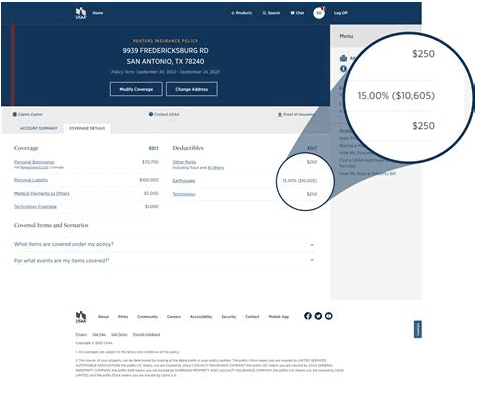
USAA renters insurance typically covers personal property up to a certain limit, which can vary depending on your policy. This limit includes items stored in a storage unit, so you can rest assured that your possessions are protected even when they are not in your home. It’s important to review your policy and understand the coverage limits to ensure that your stored belongings are adequately protected.
In addition to covering the cost of replacing or repairing your stored belongings, USAA renters insurance also typically includes liability coverage. This means that if someone is injured in your storage unit or if your belongings cause damage to someone else’s property, you may be covered for legal expenses and medical bills.
When storing items in a storage unit, it’s important to take steps to protect them and reduce the risk of damage or loss. This can include using sturdy boxes, packing items securely, avoiding storing valuable items, and choosing a storage unit with climate control if necessary. By taking these precautions and having the right insurance coverage in place, you can have peace of mind knowing that your stored belongings are protected.
Key Benefits of Adding Storage Unit Coverage to Your Policy
Adding storage unit coverage to your renters insurance policy can offer you peace of mind and added protection for your belongings. While renters insurance typically covers personal property within your home, items stored in a rented storage unit are often not included in the basic coverage. Here are some key benefits of adding storage unit coverage to your policy:
1. Protection for Belongings in Storage: One of the main benefits of adding storage unit coverage to your policy is the protection it offers for your belongings stored outside of your home. Whether you are storing seasonal items, furniture, or important documents in a storage unit, having coverage can help you replace these items in case of theft, fire, or other covered events.
2. Coverage for Valuable Items: Many renters insurance policies have coverage limits for certain categories of items, such as jewelry, electronics, and fine art. If you have valuable items that exceed these limits, storing them in a storage unit may provide additional protection. By adding storage unit coverage to your policy, you can ensure that your high-value possessions are adequately covered in case of loss or damage.
3. Protection from Natural Disasters: Storage units are not immune to natural disasters like floods, hurricanes, and wildfires. Adding storage unit coverage to your policy can help you recover financially if your belongings are damaged or destroyed by these events. Make sure to review the specifics of your policy to understand what types of natural disasters are covered and any exclusions that may apply.
4. Liability Coverage: In addition to protecting your belongings, storage unit coverage may also include liability protection. If someone is injured while on the premises of your storage unit, you could be held responsible for their medical expenses and other damages. Having liability coverage in your policy can help protect you from potential lawsuits and financial liabilities.
5. Flexibility and Convenience: By adding storage unit coverage to your renters insurance policy, you can have all your belongings covered under one policy. This can make it easier to manage and keep track of your coverage, as well as potentially save you money on premiums by bundling multiple types of coverage together. Additionally, having coverage for both your home and storage unit can give you added peace of mind knowing that your belongings are protected wherever they may be.
Overall, adding storage unit coverage to your renters insurance policy can offer you comprehensive protection for your belongings both inside and outside of your home. Be sure to review your policy carefully and speak with your insurance provider to understand the specific coverage options available to you. In the event of a loss or damage to your stored items, having the right coverage in place can help you recover quickly and minimize financial impact.
Understanding the Fine Print: What Is Covered in a Storage Unit?
When it comes to renting a storage unit, it’s essential to understand what is covered by your renters insurance policy. While most policies provide coverage for personal belongings stored in a storage unit, there are certain limitations and exclusions that you should be aware of.
1. Coverage Limits: One of the most important things to consider when it comes to renters insurance for a storage unit is the coverage limits. Most policies will have a maximum limit on the amount of coverage provided for items stored in a storage unit. It’s important to review your policy documents carefully to understand what this limit is and whether or not it is sufficient to cover the total value of your belongings.
2. Types of Covered Perils: Renters insurance typically provides coverage for damage or loss caused by certain perils, such as fire, theft, and vandalism. It’s important to understand which perils are covered by your policy and which ones are not. For example, some policies may exclude coverage for damage caused by floods or earthquakes. It’s crucial to review your policy documents to understand the specific types of perils that are covered.
3. Special Items Coverage: In addition to understanding the coverage limits and types of covered perils, it’s also important to consider whether or not your policy provides coverage for special items stored in a storage unit. Special items such as jewelry, valuable artwork, or antiques may require additional coverage beyond the standard policy limits. It’s essential to review your policy documents or speak with your insurance provider to determine if you need to add additional coverage for these special items.
4. Exclusions: Finally, it’s essential to understand any exclusions that may apply to your renters insurance policy for a storage unit. Common exclusions may include coverage limitations for certain types of items, such as cash, firearms, or business equipment. It’s important to review your policy documents carefully and ask your insurance provider about any exclusions that may apply to your specific situation.
By understanding the fine print of your renters insurance policy for a storage unit, you can ensure that your personal belongings are adequately protected in the event of damage or loss. Be sure to review your policy documents carefully, ask questions if you’re unsure about any coverage limitations or exclusions, and consider adding additional coverage for special items if necessary.
Tips for Properly Insuring Your Stored Items with USAA Renters Insurance
When it comes to renting a storage unit, it’s important to make sure that your belongings are properly insured. USAA Renters Insurance can help protect your stored items in case of theft, damage, or other unforeseen events. Here are some tips for properly insuring your stored items with USAA Renters Insurance:
1. Take Inventory: Before storing your items in a storage unit, make a detailed inventory of everything you plan to store. Take photos of each item and keep a list of their value. This will help you determine the amount of coverage you need for your stored items.
2. Review Your Policy: Review your USAA Renters Insurance policy to understand what is covered in terms of stored items. Make sure to check the limits of your policy and consider adding additional coverage if necessary.
3. Choose the Right Coverage: USAA Renters Insurance offers different coverage options for stored items, such as replacement cost coverage and actual cash value coverage. Replacement cost coverage will pay the full cost to replace your items, while actual cash value coverage will pay the depreciated value of your items. Choose the coverage that best suits your needs.
4. Consider Adding Valuable Items: If you plan to store valuable items such as jewelry, antiques, or electronics, consider adding a scheduled personal property endorsement to your USAA Renters Insurance policy. This endorsement will provide additional coverage for these high-value items in case of theft or damage. It’s important to provide documentation of the value of these items when adding this endorsement to your policy.
5. Keep Your Policy Up to Date: Make sure to keep your USAA Renters Insurance policy up to date with any changes in your stored items. If you acquire new items or remove items from storage, be sure to update your policy accordingly to ensure that all of your stored belongings are properly insured.
By following these tips, you can ensure that your stored items are properly insured with USAA Renters Insurance. Protecting your belongings in a storage unit is important, and having the right insurance coverage will give you peace of mind knowing that your items are protected in case of any unexpected events.
Common Mistakes to Avoid When Insuring Stored Items in a Storage Unit
When it comes to insuring your belongings in a storage unit, there are several common mistakes that people often make. These mistakes can lead to costly consequences if not addressed properly. Here are five common mistakes to avoid when insuring stored items in a storage unit:
1. Underestimating the Value of Your Belongings
One of the most common mistakes people make when insuring their stored items is underestimating the value of their belongings. It’s important to take inventory of all the items you plan to store in the unit and assign accurate values to each item. This will ensure that you are adequately covered in case of theft, damage, or loss.
2. Not Declaring Special Items
If you have any high-value items such as jewelry, artwork, or collectibles, it’s important to declare them to your insurance provider. Most standard renters insurance policies have limits on coverage for specific types of items, so it’s crucial to make sure that your special items are adequately insured.
3. Neglecting to Update Your Policy
Life changes happen, and it’s essential to update your insurance policy accordingly. If you acquire new items or get rid of old ones, make sure to inform your insurance provider so that your coverage can be adjusted accordingly. Neglecting to update your policy can leave you underinsured in the event of a claim.
4. Not Researching the Storage Facility
Choosing a reputable and secure storage facility is crucial when it comes to insuring your stored items. Make sure to research the facility’s security measures, climate control options, and insurance coverage. Opting for a cheap but unreliable storage facility can put your belongings at risk and may lead to complications when filing a claim.
5. Forgetting to Document Your Belongings
One of the most important steps you can take to protect your stored items is to document them thoroughly. Take photographs of all your belongings before storing them in the unit. This will serve as proof of ownership in case of a claim. Additionally, keep a detailed inventory list with descriptions and values of each item. This documentation will help streamline the claims process and ensure that you receive fair compensation for your losses.
By avoiding these common mistakes when insuring your stored items in a storage unit, you can ensure that your belongings are adequately protected in case of unforeseen events. Be proactive in assessing your insurance needs, updating your policy, and documenting your belongings to avoid any potential complications and ensure peace of mind.
Originally posted 2026-03-14 02:41:25.